"Your nervous system is not your enemy — it is doing its best to protect you. Learn to work with it, not against it."
Regulate your nervous system
Breathing exercises and short meditations
An overloaded nervous system leaves no room for learning, joy, or authentic connection. These short exercises and videos help you return to calm quickly — perfect for a break before an important task, or when you feel anxiety rising.
5-Minute Breathing Meditation
Goodful
A gentle guided meditation that helps you drop your shoulders and find calm in just five minutes. Perfect as a pause in a busy day.
Box Breathing — Calm the Nervous System
Headspace · Dora Kamau · 3:17
The same breathing exercise used by Navy SEALs and top athletes: in 4, hold 4, out 4, hold 4. Clinically proven to activate the parasympathetic nervous system.
Stop ruminating
Break the thought spiral and get out of your head
Rumination is the nervous system's attempt to solve a problem — but it rarely works. These techniques help you break the spiral and return to the present moment, so you can act instead of staying stuck.
5-4-3-2-1 Sensory Grounding
Name 5 things you can see, 4 you can touch, 3 you can hear, 2 you can smell, and 1 you can taste. The exercise pulls attention back into the body and out of the mind.
💡 Use it when anxiety starts — it works quickly and requires nothing at all.
Schedule a "worry time"
Choose a fixed time each day (e.g. 5 pm) as your official "worry time". When worries arise during the rest of the day, note them and postpone them to that slot. The brain gradually learns to let go.
💡 Research from Penn State University shows this method significantly reduces anxiety.
Rewrite the story
Take a negative thought you keep circling, and ask yourself: "Is this fact or interpretation?" Then write an alternative, more compassionate version of the story. It doesn't need to be positive — just more nuanced.
💡 Based on cognitive therapy: thought patterns can be changed with practice.
Body scan
Close your eyes and slowly move your awareness from your toes up to the crown of your head. Notice tension, warmth, and heaviness without trying to change anything. The exercise brings you out of your head and into your body.
💡 Especially effective for ADHD and autism, where thoughts can take over.
Tapping (EFT)
Release stuck emotions with acupressure and words
EFT (Emotional Freedom Techniques) combines acupressure points with statements that validate your feelings. The technique is research-backed and helps with anxiety, trauma, self-worth, and stress — and you can do it yourself, anywhere.
Brad Yates
One of the world's most beloved EFT teachers with over 500 free tapping videos on YouTube. His style is warm, humorous, and accessible.
Tapping for Anxiety and Restlessness
Brad Yates · 9:19
Brad Yates guides you through a classic EFT round that quickly eases anxiety and inner restlessness. Ideal for days when everything feels overwhelming.
Tapping for Self-Love and Acceptance
Brad Yates
A gentle and empowering tapping round that helps you release self-criticism and meet yourself with more warmth. Perfect as part of a morning routine.
Journaling
Write your way to clarity and self-understanding
Journaling is one of the most effective and underrated self-development tools. It's not about writing beautifully — it's about giving your thoughts a place to land so they don't keep running around in your body. These prompts will help you get started.
Morning pages
"Write three pages by hand immediately after waking — no censorship, no rules. Let thoughts flow freely."
Clears mental noise and unlocks creativity (Julia Cameron, The Artist's Way)
Complete the sentence
"Continue the sentence: "Something I never allow myself to feel is…" — write without overthinking."
Reveals unconscious patterns and emotional blocks
Letter to your future self
"Write a letter to yourself one year from now. What do you hope you have learned, created, or let go of?"
Activates future-oriented thinking and helps set direction
Gratitude in detail
"Write about one single moment from today that meant something — how it felt, the smell, the sound, who was there."
Research shows specific gratitude (not general) increases happiness most
What you're not saying
"Is there something you need to say to someone but never have? Write it — you never have to send it."
Releases emotional weight and brings clarity in relationships
What you actually need
"What do you actually need right now — not what others expect, but what YOU need?"
Practises sensing your own needs — essential for neurodivergent people
Exercises from the book
Try these free exercises from "27 Small Steps to Happiness"
27 Small Steps to Happiness
by Louise Lai Wiinholt — a practical guide to a happier life
Morning Gratitude
Start your day by writing down three things you are grateful for. They don't need to be big — a good cup of coffee counts. Research shows this simple exercise increases wellbeing and reduces stress over time.
Your Inner Child
Set a timer for 5 minutes and write a short letter to your younger self. What would you tell yourself as a 10-year-old? What did you need to hear? This exercise creates depth in self-understanding and healing.
The Wheel of Life
Draw a circle and divide it into 8 sections: career, finances, health, family, relationships, personal growth, fun & leisure, and physical environment. Give each area a score from 1 to 10. Where is there balance — and where is it missing?
Self-Compassion Pause
When you notice you are being hard on yourself: place a hand on your heart, take a deep breath, and say to yourself: This is hard right now. It is okay to struggle. May I give myself the compassion I need.
Energy Audit
Make a list of everything in your week that gives you energy, and everything that drains you. Look at the lists with curious attention — what do they tell you about what matters to you?
From Louise's Sketchbook
Wheel of Life — Illustrated
Louise drew these affirmations by hand — each one a window into the eight areas of life she works with in coaching.
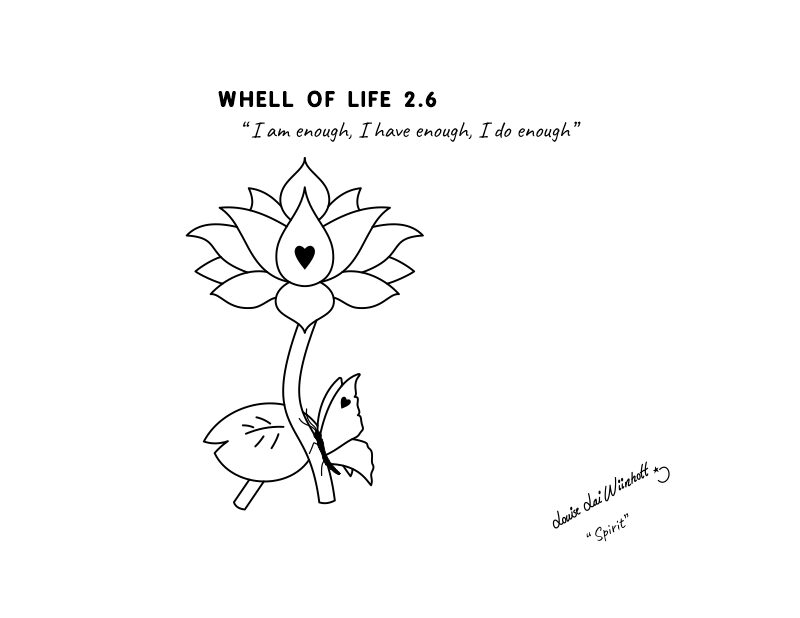
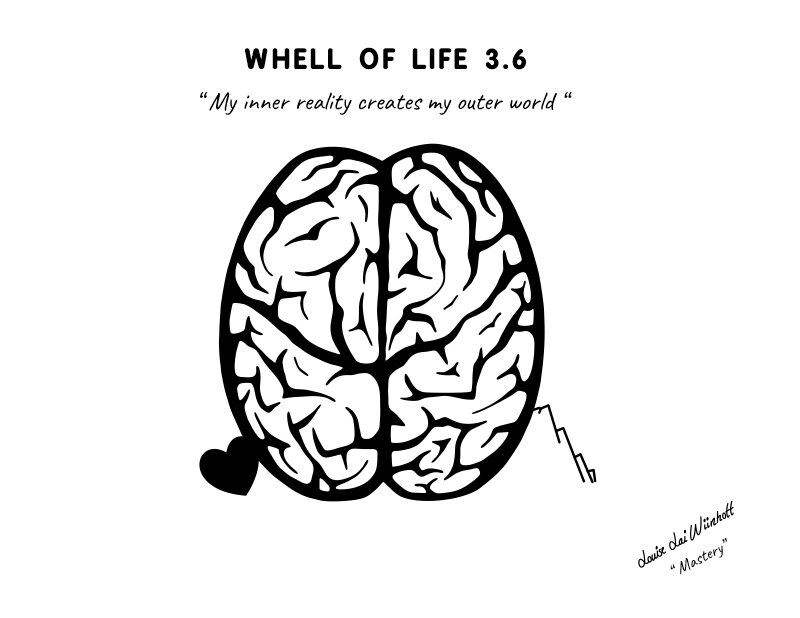
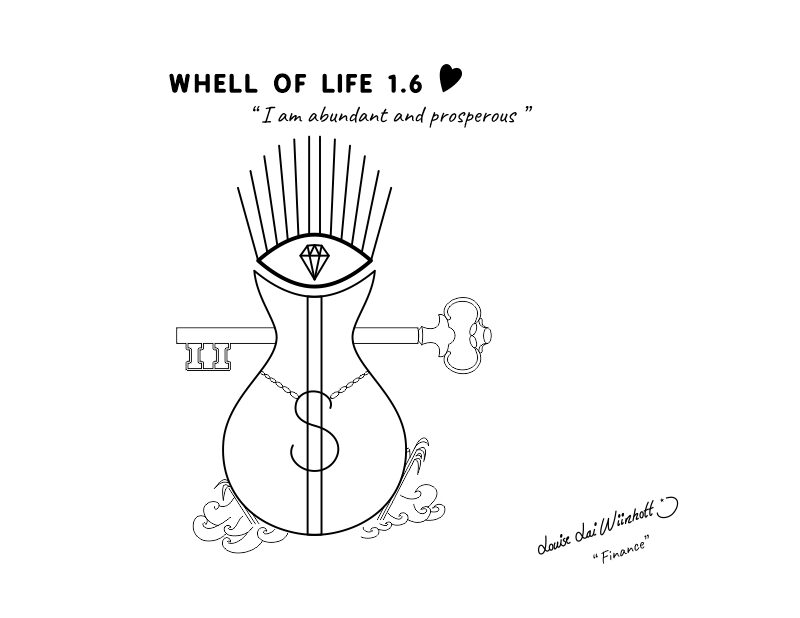
Original illustrations by Louise Lai Wiinholt
Ready to take the next step?
Exercises are a great place to start — but the deepest change happens when you have a guide on the journey. Book a no-obligation conversation and find out if we are a good fit.
Book a conversation